Conservation of Unique Information Material
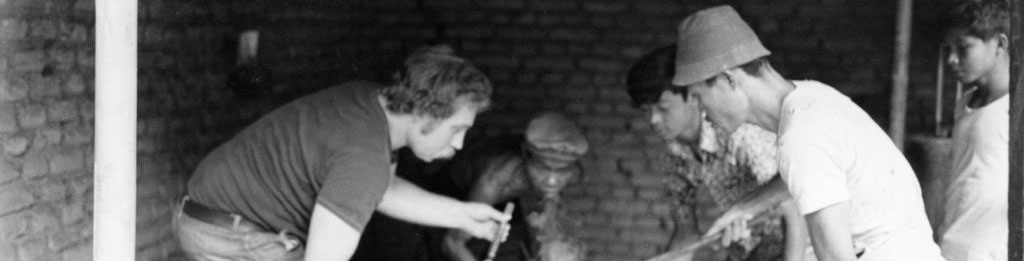
Dietrich Drescher, one of the internationally most acknowledged experts in the field of Indonesian ceremonial weapons, has been regularly travelling to Indonesia since the early 60s of the 20th century. He collected manuscripts from palatial archives and had them copied and translated. He was co-initiator of the revival of the culture of keris in Indonesia and gathered the first compilation of keris terminology. Since the 70s an extensive photographic collection has been added to his archives. The IFICAH Foundation took over the complete archives in order to conserve this unique fond of information, and to make it available for the first time to the public and to international research on keris.
Did you know…
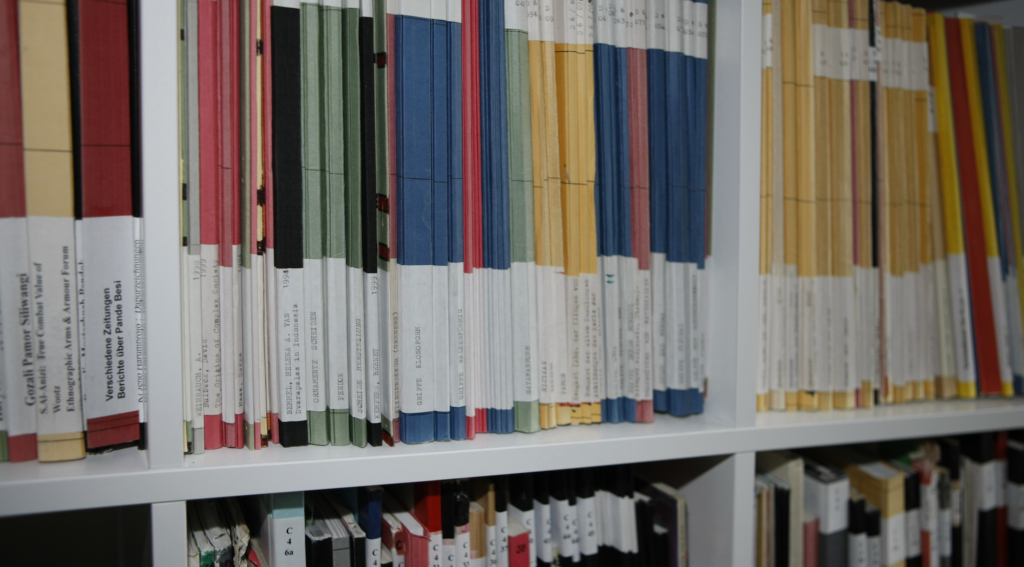
The Drescher Library
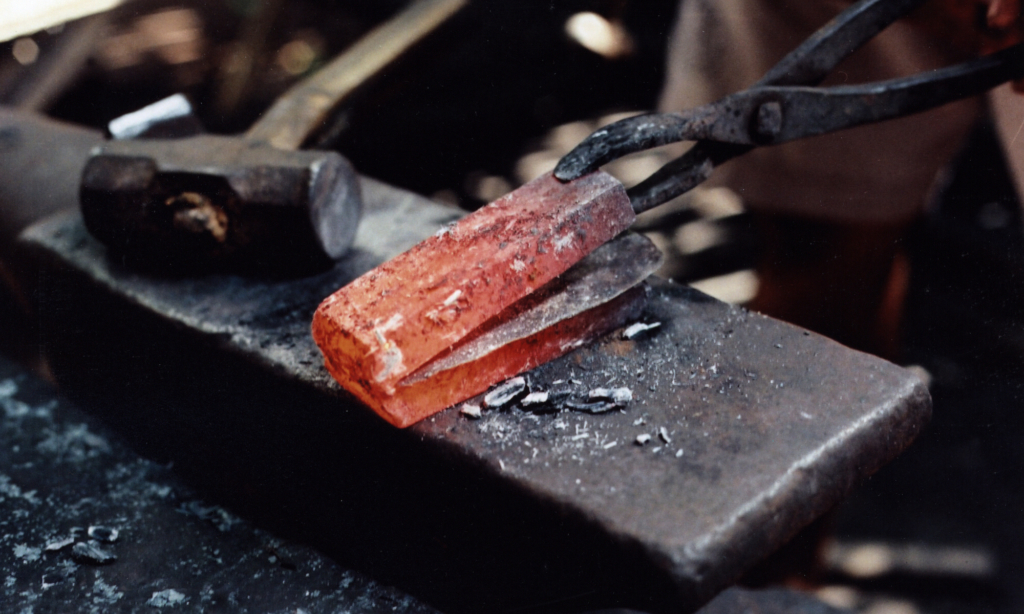
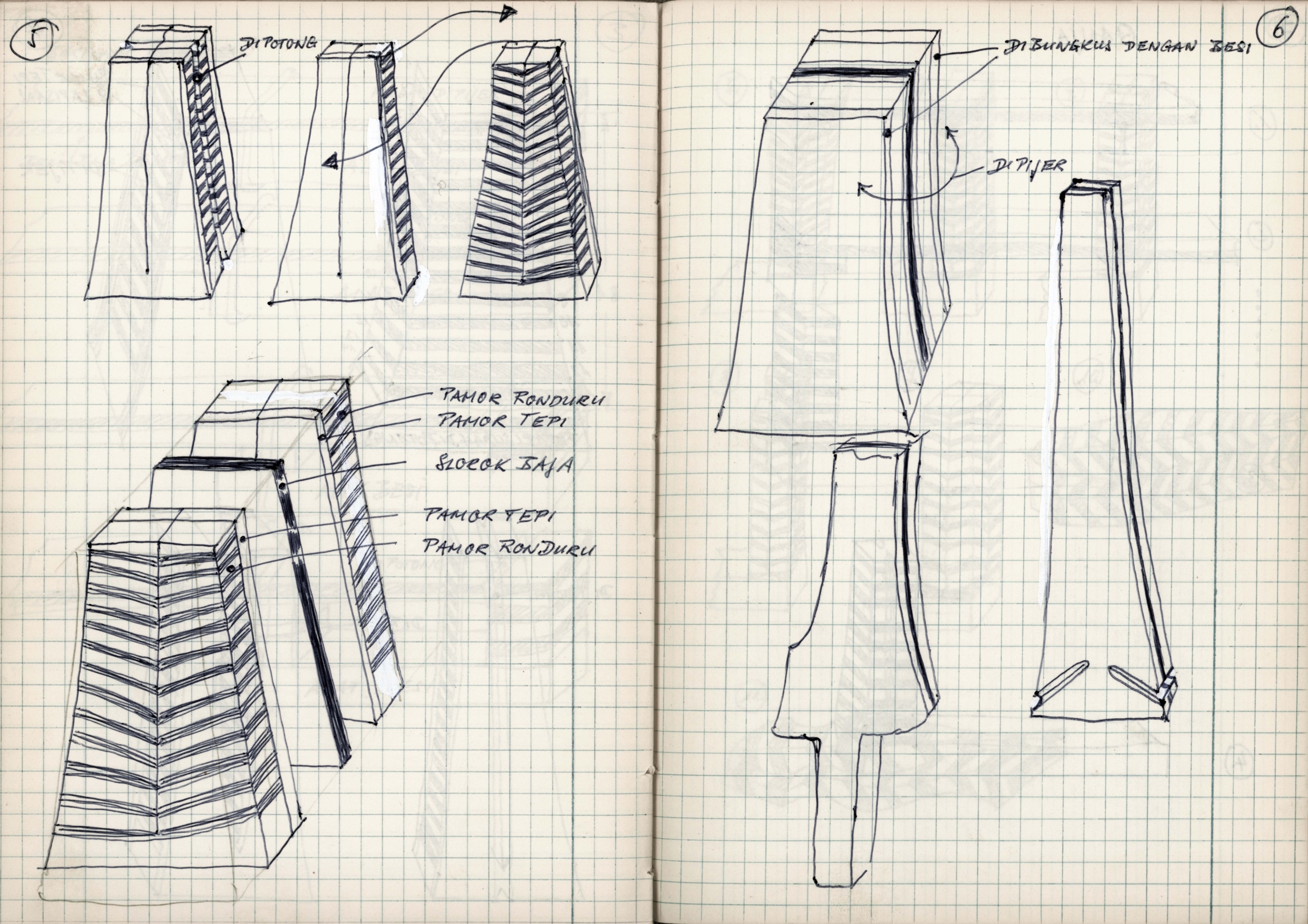
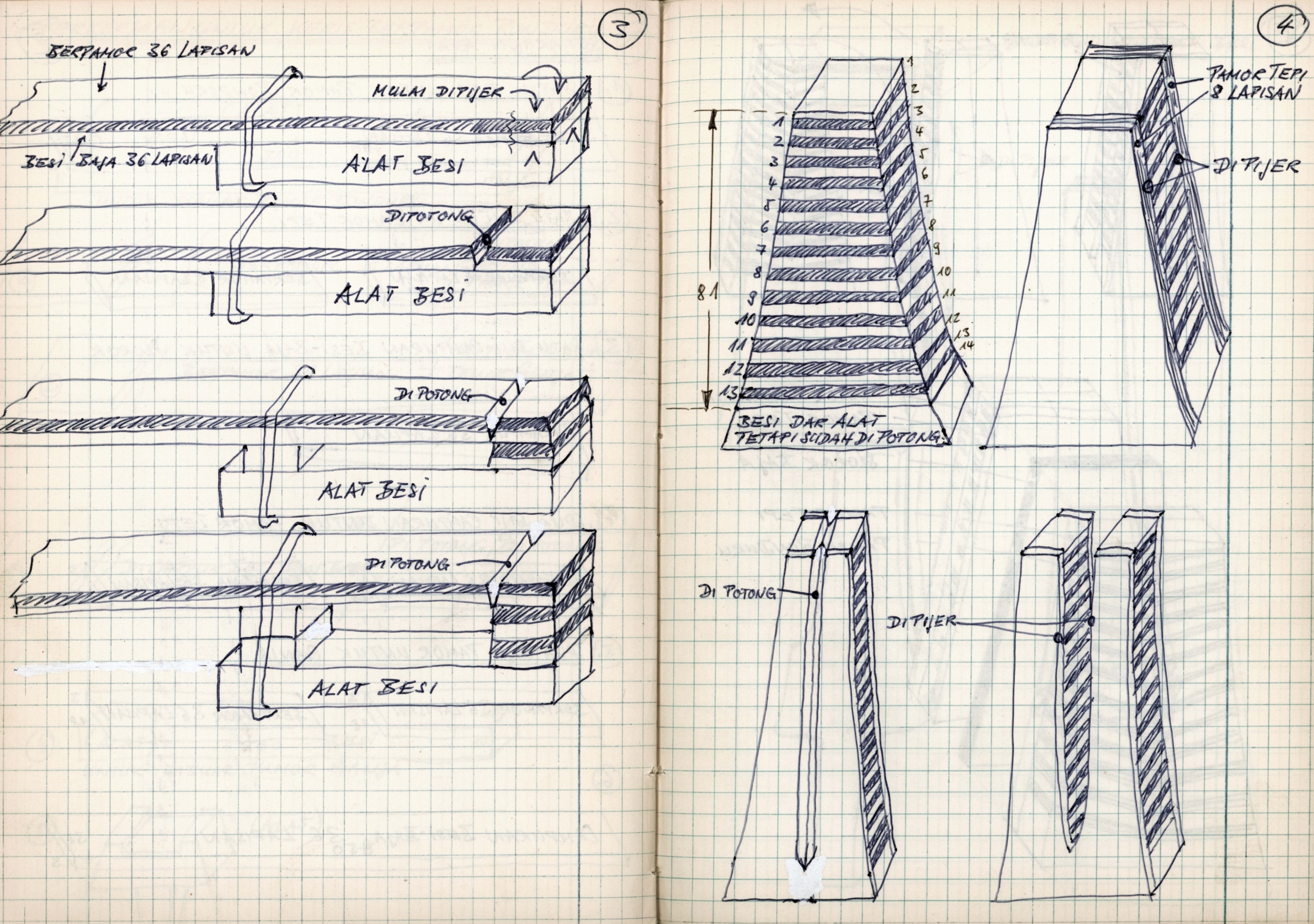
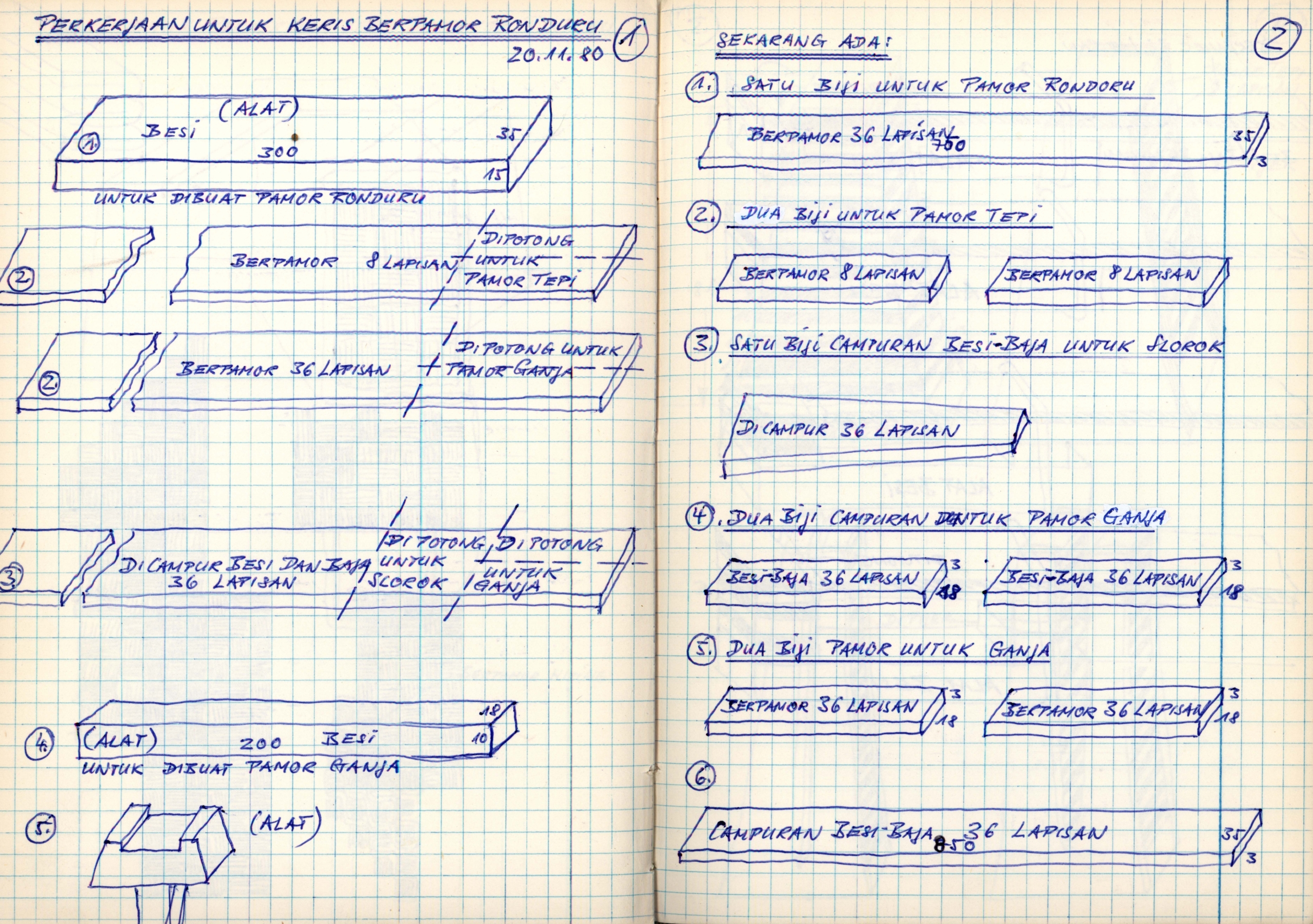
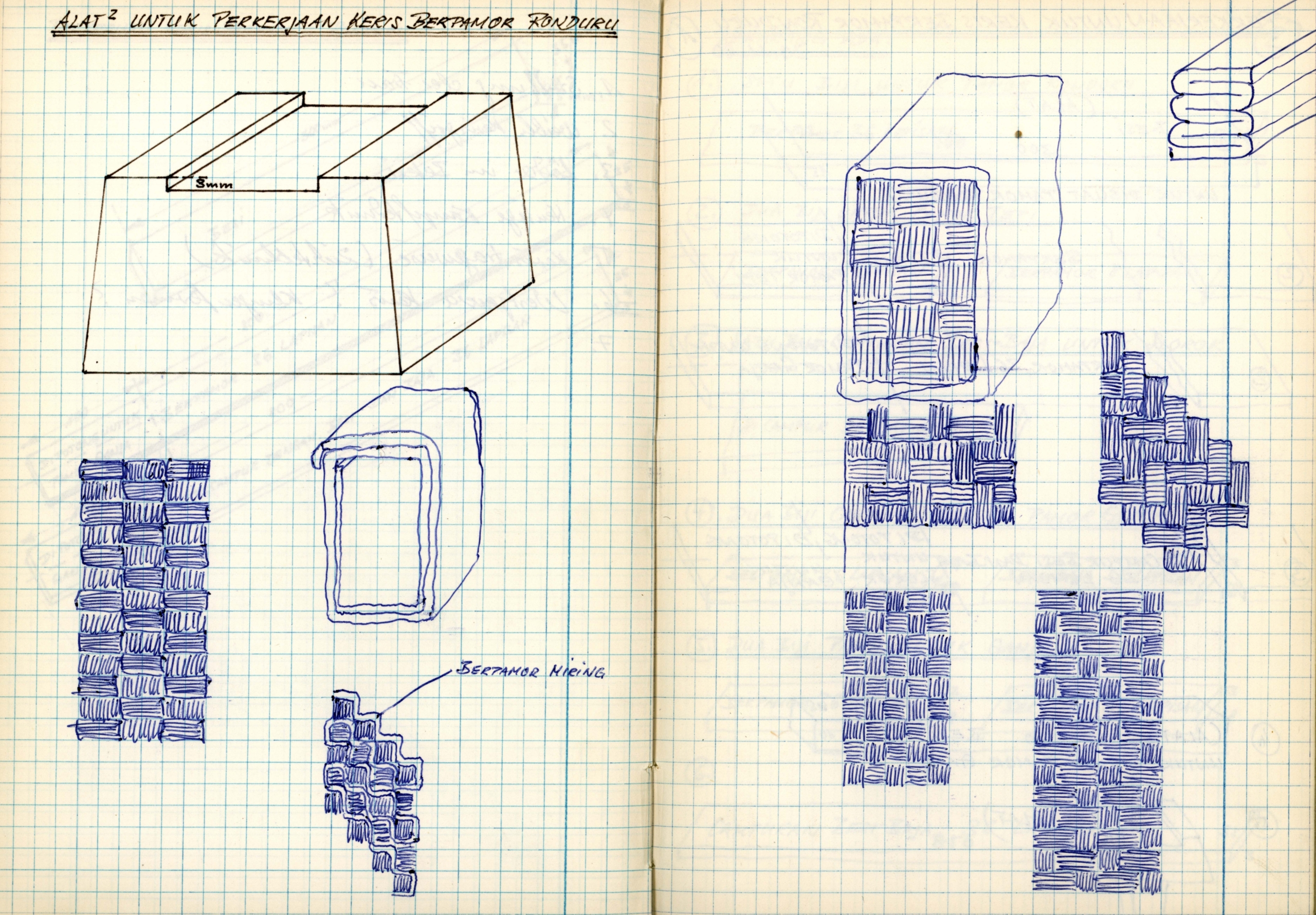
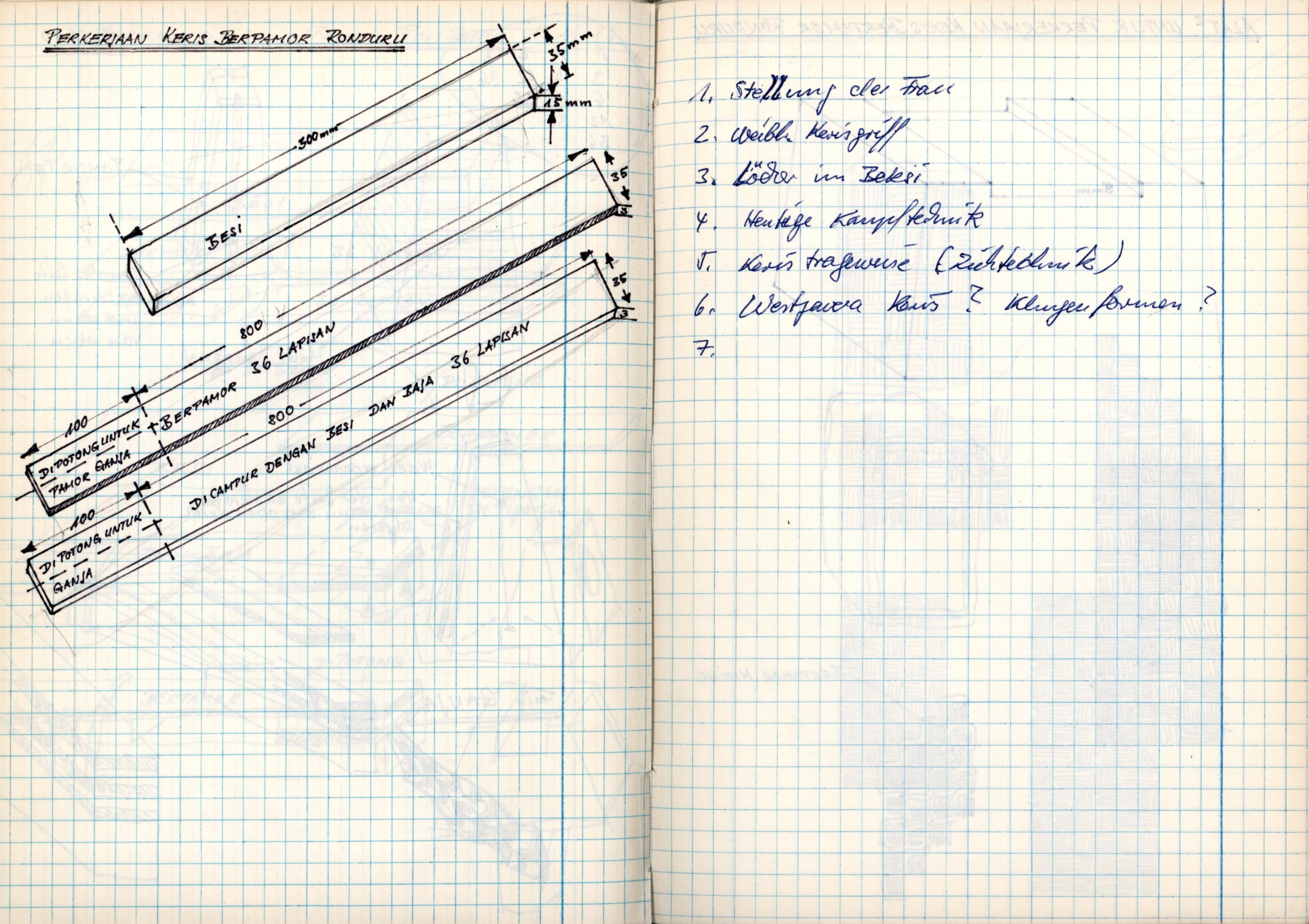
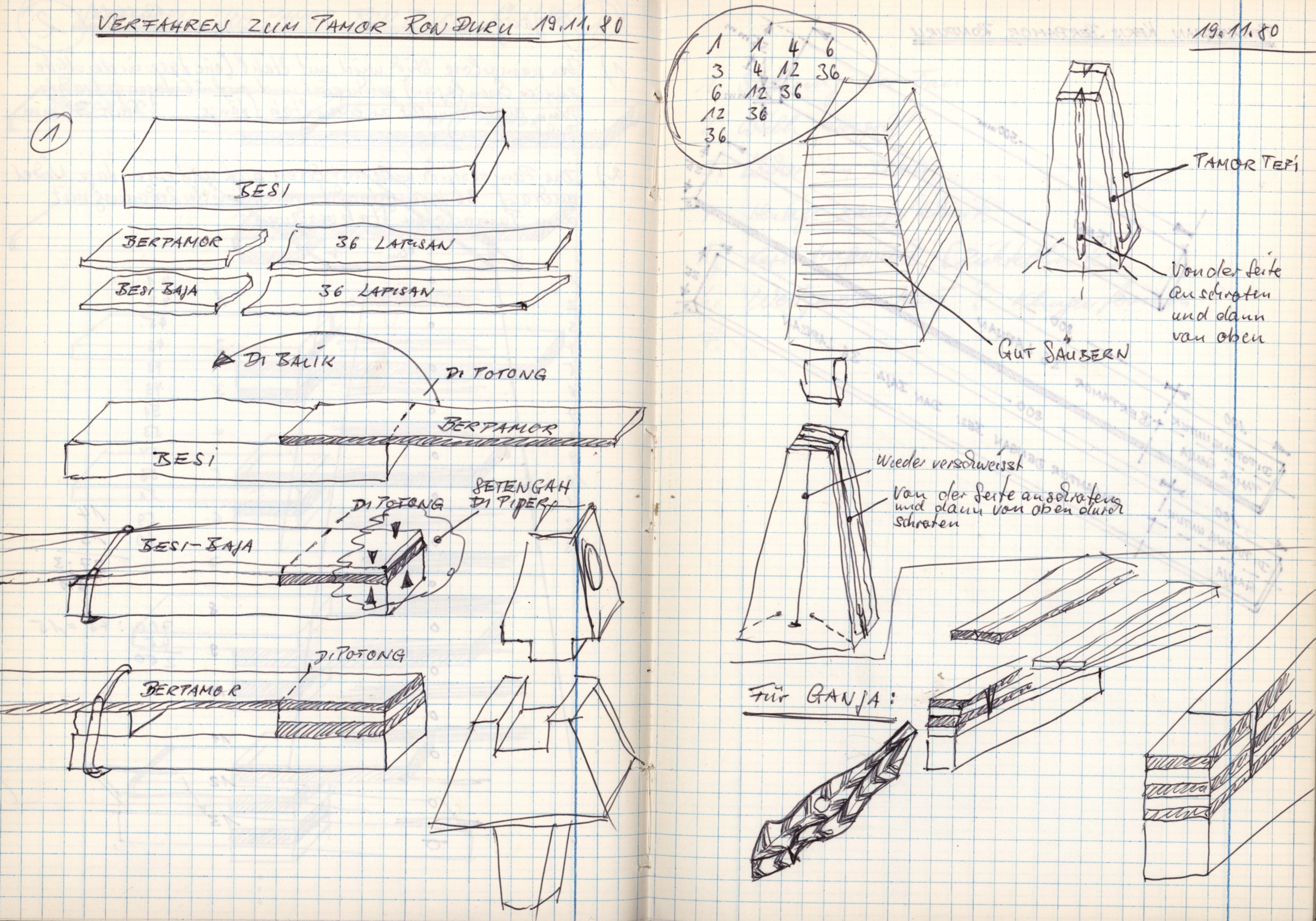
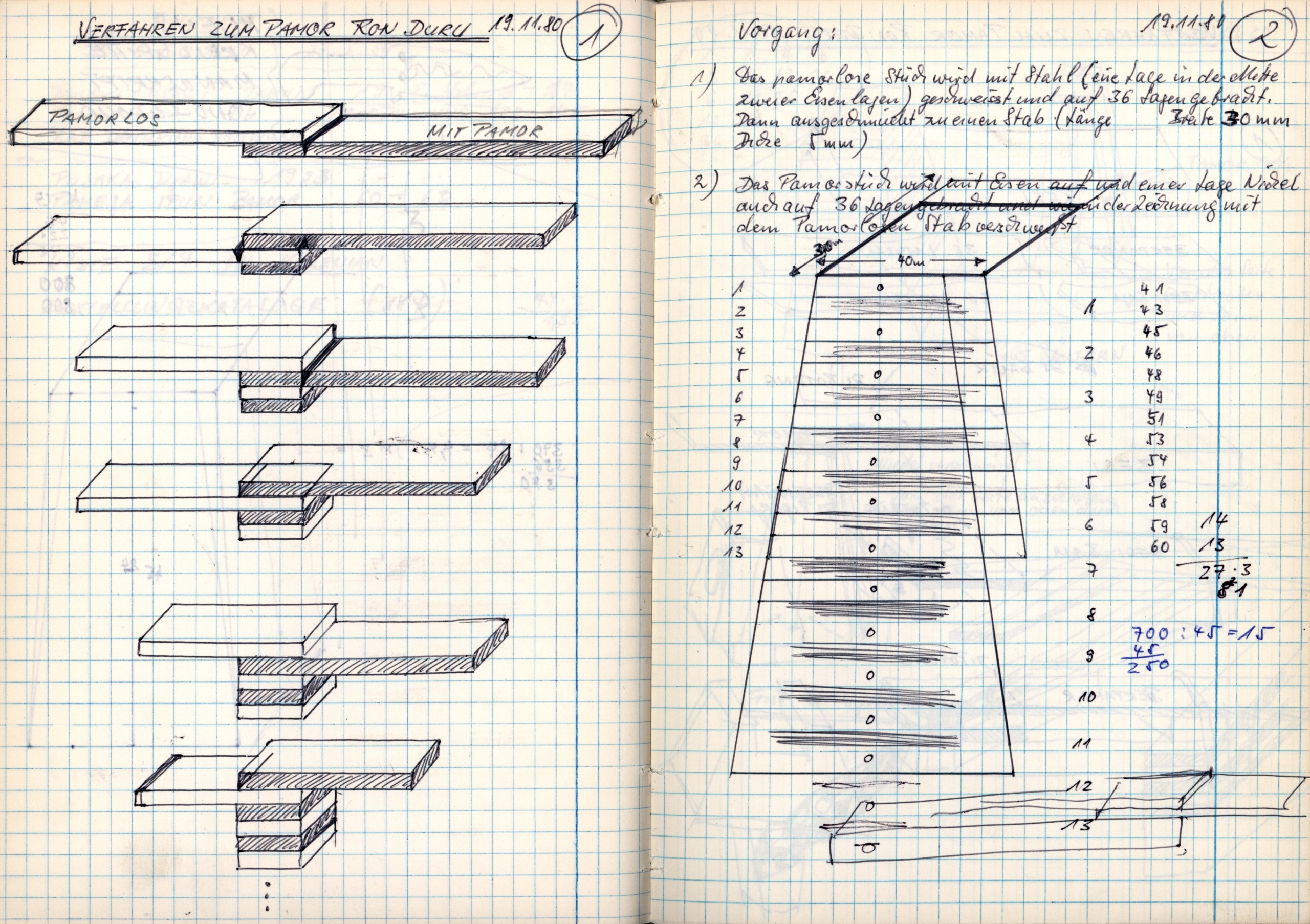
During his travels, Drescher kept meticulous diaries documenting his work and the situation in Java. The records from the early 1970s contain thoughts, sketches, notes, plans and descriptions of his daily work and comprise a total of around 1,400 digitised entries. They provide insight into his feelings, difficulties and the challenges of keris smithing, which at that time was often carried out without electric tools. Particularly valuable are detailed information on manufacturing steps, time required and working conditions. These sources are supplemented by high-quality scans of his photographs and around 4,000 text documents from his former library, which is still considered the largest collection on the subject of keris.
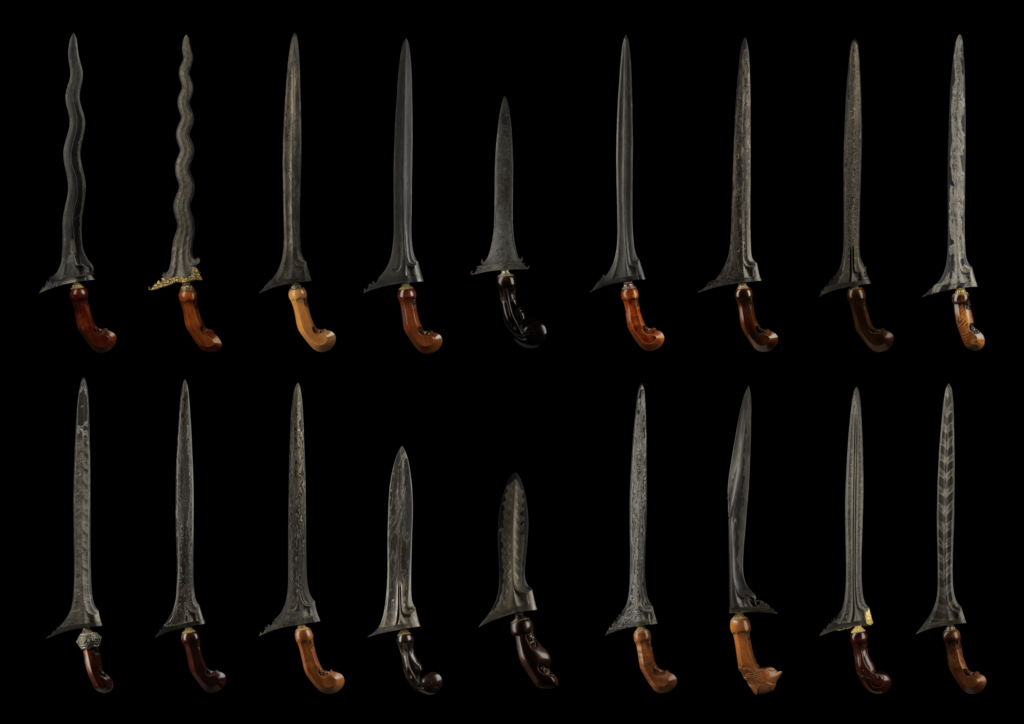
Keris Collection
Through numerous tests, failures and attempts, Drescher had a selection of 18 keris made, each of which was produced under his precise guidance. He had clear ideas about the shape and aesthetics of the keris and was present throughout the entire manufacturing process to ensure that these were implemented.
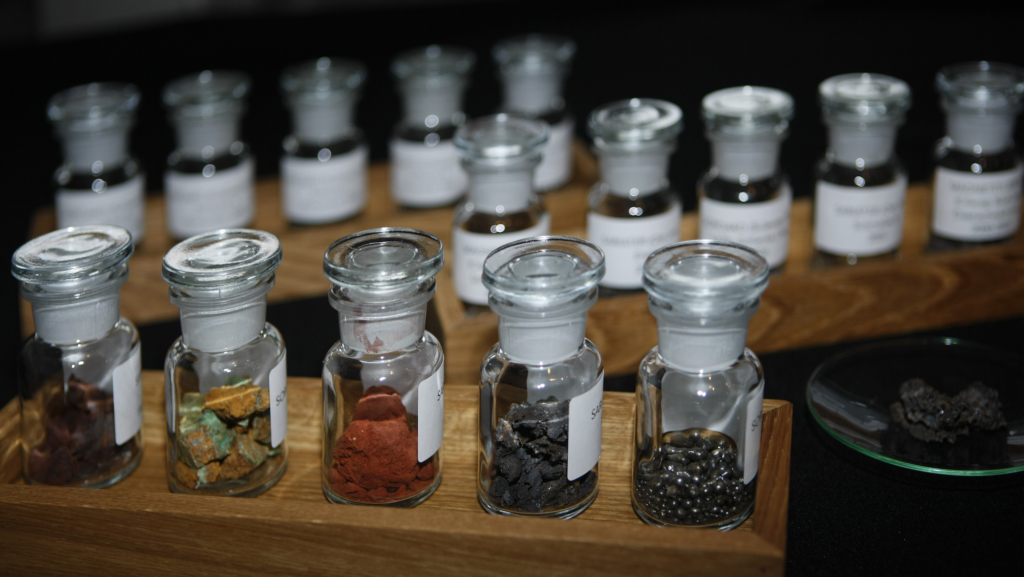
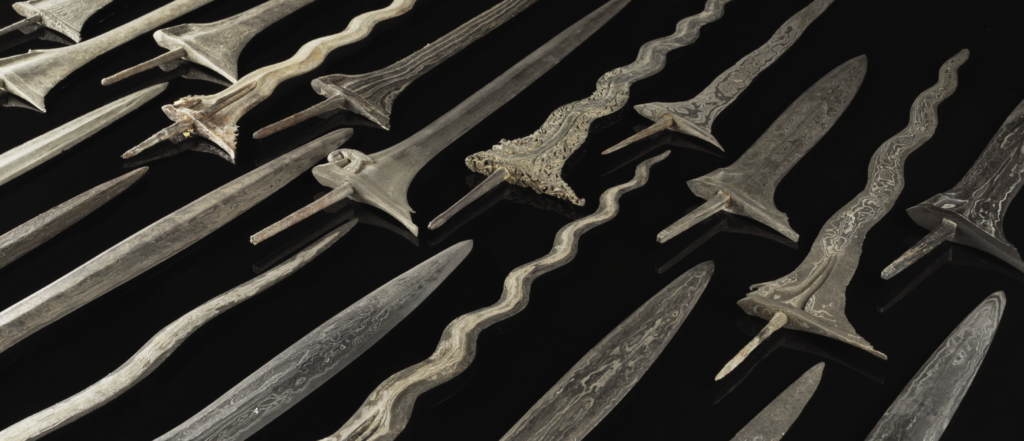
Drescher also conducted experiments with melting tests. Between 2000 and 2007, a total of 24 keris blanks were produced, which were forged by Empu Subandi Supodiningrat in Surakarta on Drescher’s behalf and according to his designs.
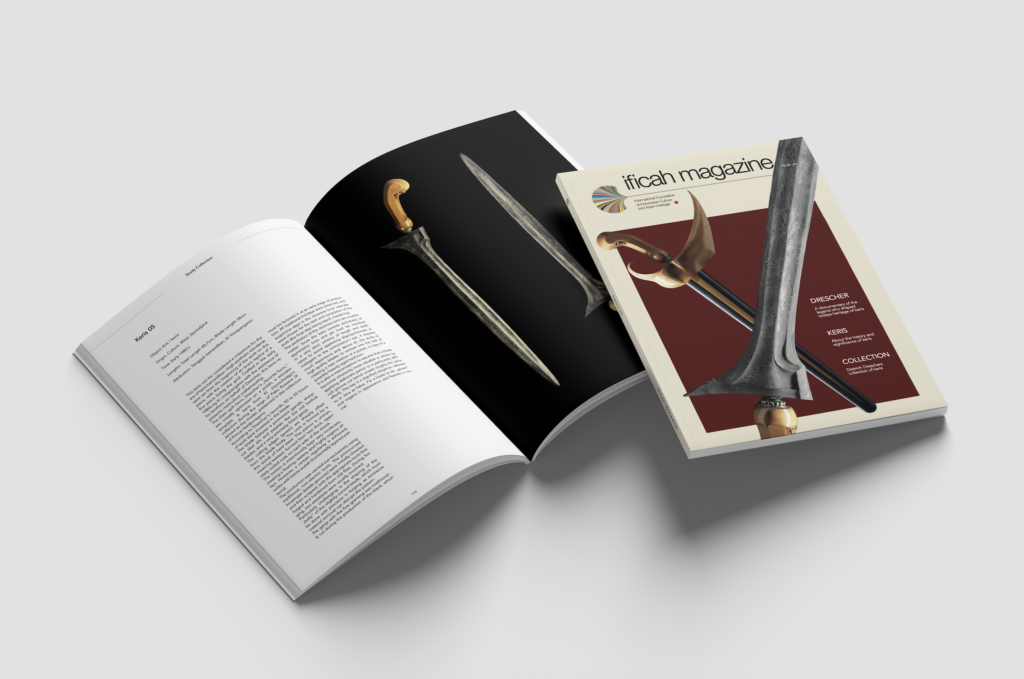
IFICAH publication on Drescher’s lifetime achievement
The third issue of IFICAH Magazine, dedicated to Dietrich Drescher, presents the comprehensive research results of the IFICAH Foundation from several years of work. This publication represents an important milestone, as the archive has been carefully digitised and made accessible for the first time. The 262-page magazine is published in German, English and Indonesian and contains extensive information about Dietrich Drescher, detailed research on the keris and an analysis of his role in the revival of keris culture. It also documents a keris manufacturing process under Drescher’s guidance and provides an overview of his personal keris collection, featuring significant pieces and their historical context. The publication serves as an important resource for scholars, artisans and enthusiasts, helping to deepen understanding of the craftsmanship of the keris and the cultural heritage surrounding Drescher’s work.
Purchase via this link